

.jpg "Deploying Solar Roof Shingles & Integrated Photovoltaics")
Real-world insights on deploying Solar Roof Shingles & Integrated Photovoltaics. Learn about installation, benefits, and practical considerations for modern homes in the US.
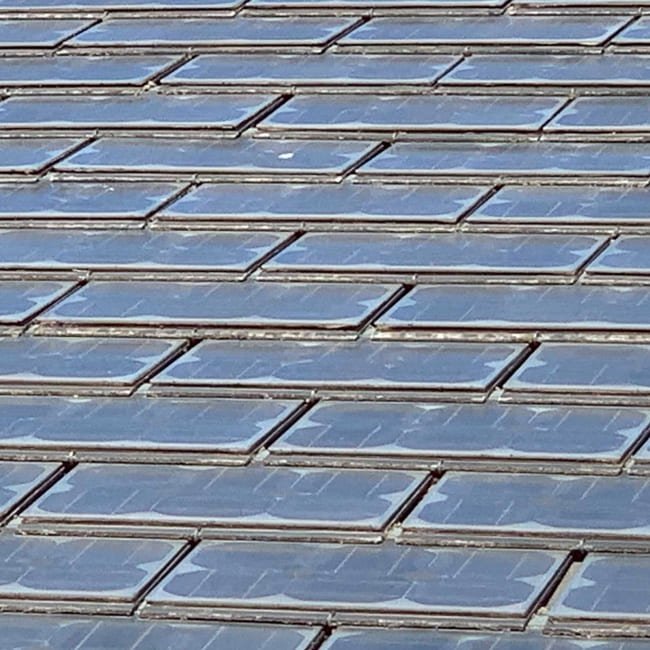
From direct experience, integrating solar technology directly into a building’s structure marks a significant advancement in renewable energy. Moving beyond traditional bolt-on panels, Solar Roof Shingles & Integrated Photovoltaics (BIPV) offers an aesthetic and functional solution. This approach blends energy generation seamlessly with building design. It addresses common homeowner concerns about appearance while still providing substantial energy savings. The shift toward integrated solutions is reshaping residential and commercial energy landscapes, particularly within the US.
Overview
- Solar Roof Shingles & Integrated Photovoltaics are photovoltaic materials used as building components, such as roof shingles or facades.
- These systems offer a sleek, integrated look, often preferred over traditional mounted solar panels.
- Installation typically involves roof replacement or new construction, ensuring proper waterproofing and electrical connections.
- Key benefits include reduced electricity bills, increased home value, and a smaller carbon footprint.
- Practical considerations include upfront cost, long-term durability, and local building codes.
- Maintenance is generally low, similar to a standard roof, with occasional cleaning for optimal performance.
- The technology contributes to energy independence and grid stability, especially in sun-rich regions.
Understanding the Appeal of **Solar Roof Shingles & Integrated Photovoltaics**
The allure of **Solar Roof Shingles & Integrated Photovoltaics** stems largely from their subtle appearance. Homeowners often want solar power without altering their property’s aesthetic. BIPV products, such as solar shingles, mimic conventional roofing materials. They blend almost invisibly with the roofline. This design integration is a major selling point. It helps overcome visual objections often associated with older solar panel installations. The technology also allows for greater design flexibility. Architects can now incorporate solar generation into new builds or renovations more naturally. This creates structures that are both energy-producing and visually pleasing.
These integrated systems are not just about looks. They function as both a roof and a power plant. This dual purpose saves on material costs during new construction or roof replacement. Instead of buying a roof and then adding solar, you purchase one system that does both. This simplifies the construction process for builders and homeowners alike. The continuous advancement in material science further improves efficiency and durability.
Installation and Practicalities of **Solar Roof Shingles & Integrated Photovoltaics**
Deploying **Solar Roof Shingles & Integrated Photovoltaics** demands a different skill set than typical panel installations. The process is more akin to a roof replacement or initial construction. It involves experienced roofing and electrical crews working in tandem. The shingles must be correctly interlocked to ensure waterproofing. Electrical connections are then made beneath the roof surface, maintaining a clean exterior. Proper flashing and sealing are crucial to prevent leaks and ensure the system’s longevity. We always verify that the roof structure can support the added weight, though BIPV often weighs similarly to high-quality asphalt shingles.
Permitting and grid interconnection are vital practical steps. Local building departments and utility companies in the US have specific requirements. These must be followed precisely. We handle all necessary paperwork. This includes structural reviews, electrical inspections, and net metering applications. The aim is a smooth, compliant installation. Homeowners must understand the timeline. Installation can take several days to weeks, depending on roof size and complexity. This careful approach ensures the system operates safely and effectively for decades.
Economic and Environmental Benefits of Modern PV Systems
The switch to modern photovoltaic (PV) systems offers compelling economic and environmental advantages. Financially, homeowners benefit from significantly reduced electricity bills. Many even achieve net-zero energy consumption. Excess power generated can be sold back to the grid through net metering programs. This provides further savings or even credits. The initial investment, while higher than standard roofing, often pays for itself over time through energy savings. Government incentives, such as federal tax credits and state rebates, further shorten the payback period for US residents. Moreover, homes with solar installations typically see an increase in property value.
Environmentally, these systems dramatically cut a household’s carbon footprint. They generate clean, renewable electricity, reducing reliance on fossil fuels. This contributes directly to cleaner air and a more stable climate. By producing power onsite, grid strain during peak demand periods is lessened. This enhances overall energy independence. The manufacturing processes for solar components are also becoming more sustainable. This makes the entire lifecycle of these systems increasingly eco-friendly.
Maintenance and Longevity of **Solar Roof Shingles & Integrated Photovoltaics**
Maintaining **Solar Roof Shingles & Integrated Photovoltaics** is generally straightforward. Unlike traditional panels, they are an integral part of the roof. This minimizes points of failure and simplifies care. Routine maintenance involves occasional cleaning to remove debris, leaves, or heavy dust accumulation. This ensures optimal sunlight exposure and energy production. We advise homeowners to inspect their roof periodically for any visible damage. Monitoring system performance via an inverter or smart home app can also quickly identify any issues.
The longevity of these systems is a key advantage. Most manufacturers offer extensive warranties, often 25 years or more, covering both power output and product integrity. The durable materials used in solar shingles are designed to withstand harsh weather conditions. This includes high winds, hail, and heavy snow. Their robust construction means they can last as long as, or even longer than, traditional roofing materials. This long lifespan provides sustained energy production and peace of mind for the property owner.